


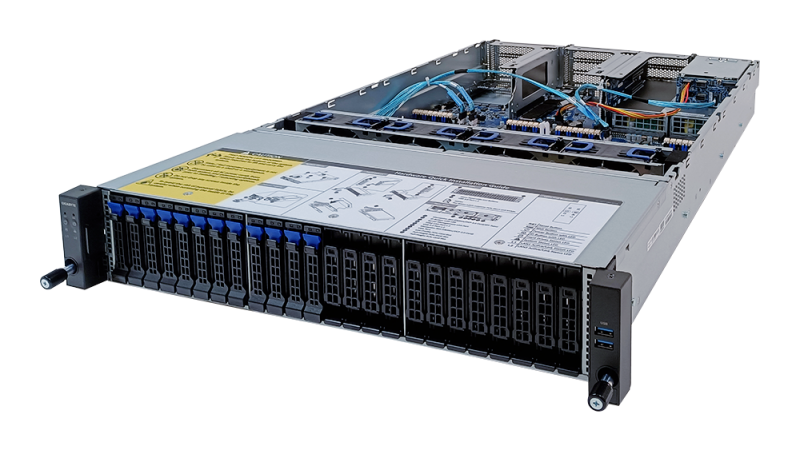


For small and medium businesses, building or upgrading a server presents a critical challenge: balancing capable performance with a strict budget. Selecting the right central processing unit is the most important decision, as it dictates the server’s ability to handle workloads efficiently.
Fortunately, modern options deliver strong value without sacrificing essential features. This focus on value makes the current market a good place for SMBs to find powerful and cost-effective solutions, including a capable AMD server CPU.
AMD EPYC 7302P: The Balanced Workhorse:
The AMD EPYC 7302P stands as an excellent entry point into server-class performance. This processor features 16 cores and 32 threads, providing ample muscle for virtualization, file sharing, and hosting business applications. Its key advantage is a single-socket design, which lowers total cost by requiring less expensive motherboard and system architecture.
The 7302P supports large memory capacities and offers 128 PCIe 4.0 lanes, giving businesses room for storage and network expansions. For teams needing reliable, consolidated performance without dual-socket complexity, this CPU is a compelling choice.
AMD EPYC 72F3: Focus on Frequency:
When core speed matters more than core count, the AMD EPYC 72F3 answers the call. It packs 8 high-frequency cores optimized for tasks that benefit from faster single-threaded performance. Database operations, web servers, and some financial applications often see better results from this design.
It maintains the EPYC platform benefits, including strong security features and high memory bandwidth. Businesses running specific, speed-sensitive software will find the 72F3 delivers quick responsiveness at a accessible price point.
AMD EPYC 7402P: Stepping Up Core Density:
For businesses anticipating growth or running heavier multi-threaded workloads, the AMD EPYC 7402P offers a sensible upgrade path. With 24 cores, it handles more virtual machines, larger development environments, and busier collaboration servers effectively.
It retains the cost-efficient single-socket approach while providing extra headroom. This model helps SMBs avoid near-term upgrades, protecting investment over a longer period.
Making the Right Choice:
Your selection depends on specific business needs. Analyze your primary software: does it use many cores, or does it prefer higher clock speeds? Consider future growth over the next three to four years. Factor in total system costs, including memory and support hardware.
Each of these AMD processors brings enterprise-grade technology to SMB budgets, enabling robust infrastructure. By matching the CPU to your actual workload, you build a server that supports daily operations efficiently and remains a dependable asset for your business.